
How to Organize a Car Show: The Complete Guide for Event Organizers
Organizing a successful car show takes more than finding a parking lot and posting on social media. The hardest part is managing everything behind the scenes, including registration, ticketing, waivers, vendors, sponsors, parking, check in, attendee communication, and last minute questions.
Whether you are hosting a local Cars and Coffee, charity fundraiser, dealership event, truck show, club meet, or large automotive festival, this guide will show you how to plan, promote, and run a better car show from start to finish.
How to Organize a Car Show
Choose the Right Date
Select the Perfect Venue
Understand Permits and Insurance
Create an Event Budget
Set Up Registration and Ticketing
Find Sponsors and Vendors
Market Your Car Show
Plan Event Day Operations
Create a Memorable Experience
Capture Photos and Video
Follow Up After the Event
Why Renndvous Is the Best Platform for Car Shows
Car Show Planning Checklist
Frequently Asked Questions
Define Your Event Goals
Every successful car show begins with a clear purpose. Some events are designed to raise money for charity. Others focus on building local automotive communities, promoting a dealership, supporting a car club, or creating an annual event that grows every year.
Your goal affects every major decision that follows. It influences your venue, ticket pricing, registration setup, sponsorship packages, vendor strategy, marketing plan, and overall attendee experience.
A charity car show may focus on donations, raffle prizes, sponsor visibility, and family friendly entertainment. A dealership event may prioritize brand exposure, customer leads, and test drive opportunities. A club driven event may focus on community, vehicle categories, member parking, and awards.
The clearer your goal, the easier it becomes to explain why people should attend. Events with a strong purpose tend to attract stronger participation because attendees understand exactly what makes the show worth their time.
Choose the Right Date
Before locking in a date, research competing automotive events in your area. Many organizers make the mistake of selecting a date only to discover another major show, Cars and Coffee, race weekend, cruise night, or community festival is happening nearby.
Review local event calendars, car club schedules, dealership events, motorsport calendars, holiday weekends, and seasonal weather patterns. Enthusiasts often have multiple events competing for their attention, especially during spring and summer.
The best events often begin planning six to twelve months in advance. This gives you time to secure a venue, contact sponsors, organize vendors, build awareness, and open registration before your audience has already committed to other plans.
If your event is outdoors, consider creating a rain date or clear weather policy. A backup plan gives participants, vendors, and sponsors more confidence when registering early.
Select the Perfect Venue
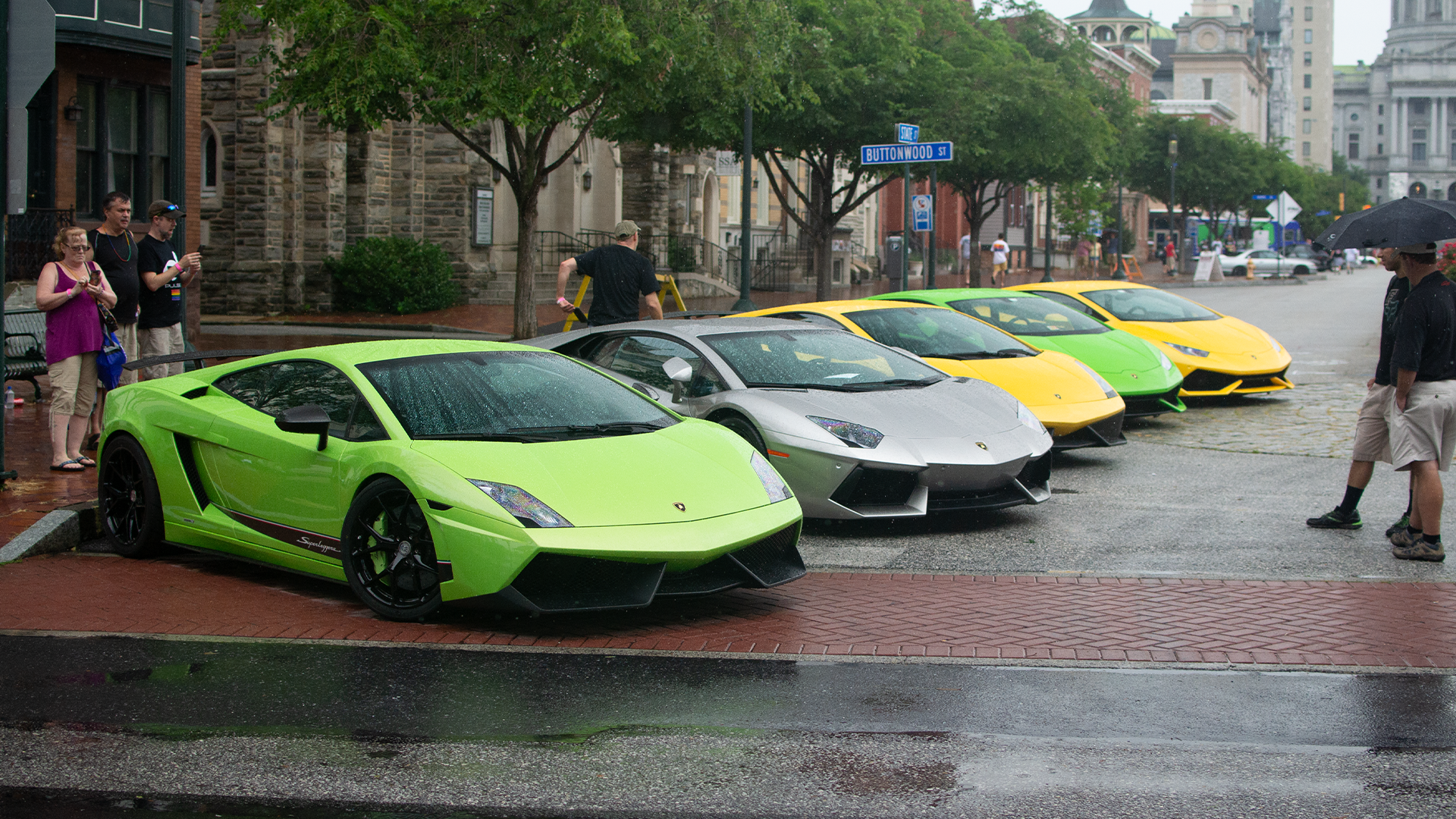
The venue is one of the most important decisions you will make when organizing a car show. A great location should provide enough room for show vehicles, spectator parking, vendors, sponsors, food trucks, registration areas, emergency access, and future growth.
Popular car show venues include shopping centers, fairgrounds, dealerships, parks, race tracks, industrial parks, convention centers, downtown streets, and large private properties. Each option comes with different costs, requirements, and logistical challenges.
When evaluating venues, pay close attention to traffic flow, entry points, exit points, restroom availability, electrical access, lighting, shade, trailer parking, nearby roads, and how vehicles will move through the property.
Many organizers underestimate attendance. It is better to choose a venue with room to grow than to create a packed, stressful experience for participants and spectators.
Understand Permits and Insurance
Most municipalities require some level of approval for public events. Depending on your location, you may need permits related to traffic management, occupancy limits, vendors, food service, amplified sound, road closures, public gatherings, or special event operations.
Event insurance is equally important. Liability insurance helps protect organizers, venues, sponsors, volunteers, and attendees in the event of accidents or unexpected incidents.
Contact your venue and local government early to determine exactly what requirements apply to your event. Waiting until the final weeks can create unnecessary stress and may put your event at risk.
For safety planning, it may also be worth reviewing guidance from resources like the National Weather Service for severe weather preparation and the National Fire Protection Association for general fire safety considerations.
Create an Event Budget
A detailed budget provides the foundation for a successful event. Before announcing the show, outline every expected cost and leave room for unexpected expenses.
Common car show expenses include venue rental, insurance, security, signage, awards, marketing, entertainment, staff, audio equipment, portable restrooms, trash removal, payment processing, registration software, and emergency supplies.
Your budget should also account for weather contingencies, additional staffing, extra equipment rentals, or venue requirements that may appear later in the planning process.
A realistic budget allows you to confidently establish registration fees, spectator ticket pricing, vendor fees, sponsorship goals, and donation targets. Without a budget, it becomes easy to overspend before you know how much revenue the event can realistically generate.
Set Up Registration and Ticketing
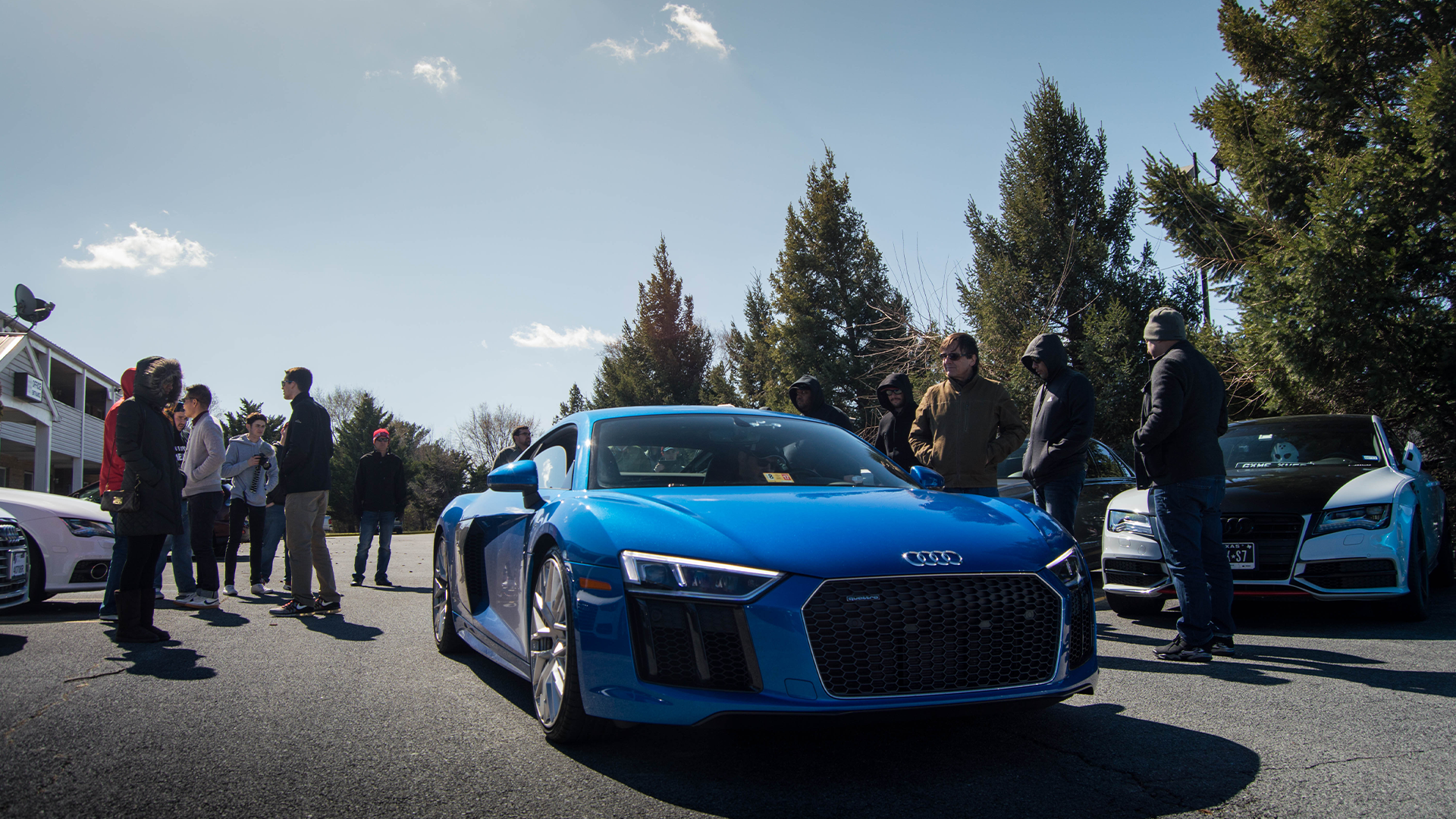
Registration is often the first real interaction attendees have with your event. If the process feels confusing, outdated, or scattered across different tools, people are less likely to finish signing up.
Many organizers still try to manage car shows with spreadsheets, paper waivers, social media messages, payment apps, and manual email chains. That might work for a small private meet, but it becomes messy fast once you add vehicle registrations, spectator tickets, vendors, sponsors, waivers, and check in.
Renndvous solves that problem by giving automotive organizers one place to manage the entire event. Instead of forcing a generic ticketing tool to fit a car show, Renndvous is built around how automotive events actually work.
With Renndvous event creation, organizers can create a car show, collect vehicle registrations, sell tickets, manage waivers, communicate with attendees, and prepare for event day from one platform.
Why this matters: A smoother registration process does not just save organizers time. It also makes the event feel more professional, which can increase trust, improve conversion, and help more people commit before event day.
For larger shows, QR code check in can dramatically reduce entry lines and improve the attendee experience. Attendees arrive with their registration ready, staff can verify tickets quickly, and organizers avoid digging through spreadsheets at the gate.
Find Sponsors and Vendors
Sponsors play a major role in helping automotive events grow. Many local businesses are eager to connect with automotive enthusiasts and may provide financial support, prizes, giveaways, or promotional assistance.
Potential sponsors include automotive dealerships, detail shops, performance shops, insurance providers, tire retailers, financial institutions, restaurants, coffee shops, apparel brands, and local businesses that want visibility in the community.
Strong sponsorship packages typically include brand visibility before, during, and after the event. Sponsor value can come from social media promotion, booth space, logo placement, stage recognition, email mentions, banner placement, award naming rights, or branded experiences.
Vendor participation can also enhance the attendee experience while creating additional revenue opportunities. Food trucks, merchandise sellers, detail brands, automotive artists, photographers, simulators, and local shops can make the event feel more complete.
When organizers use Renndvous to launch a car show, the event has a clean online home that can be shared with sponsors, vendors, clubs, and attendees instead of sending everyone to different forms and payment links.
Market Your Car Show
Even the best event will struggle if nobody knows about it. Marketing should begin months before the event date and continue consistently until registration closes.
Successful organizers use a combination of social media, email marketing, automotive forums, enthusiast groups, local businesses, influencers, dealerships, and car clubs to generate awareness.
Rather than posting only event details, focus on sharing featured vehicles, sponsor announcements, venue previews, giveaways, charity updates, behind the scenes planning, and attendee highlights.
Consistent visibility builds excitement and increases registrations. Most people need to see an event multiple times before they commit to attending, registering a vehicle, or buying tickets.
A Renndvous event page also gives organizers a single destination to promote everywhere. Instead of telling people to check a flyer, DM an account, email a host, or send money manually, you can send them directly to your event page and make registration simple.
Plan Event Day Operations
A smooth event experience depends on preparation. The best car shows often appear effortless because organizers spent months thinking through the details.
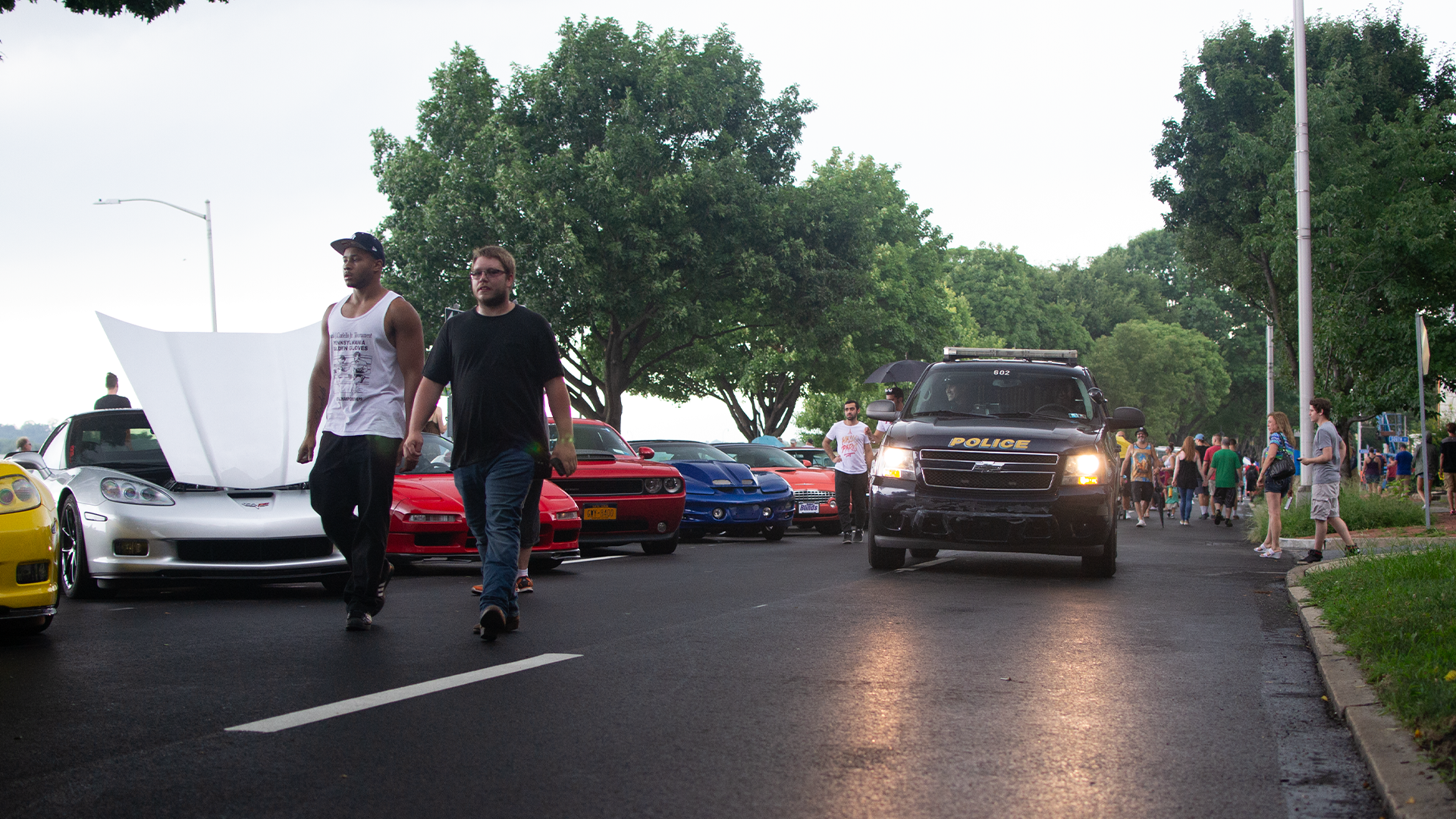
Before event day, create detailed plans for vehicle staging, parking flow, registration areas, vendor setup, sponsor placement, volunteer assignments, emergency procedures, traffic control, and guest communication.
Make sure volunteers understand where they need to be, what they are responsible for, and who they should contact if something goes wrong. Clear communication among staff can prevent small problems from turning into major issues.
Signage also matters. Participants should be able to quickly understand where to enter, where to park, where to check in, where vendors are located, and where awards or announcements will happen.
This is another reason Renndvous is valuable for car show organizers. When registrations, tickets, attendee information, and check in are already organized before event day, staff can focus on running the show instead of solving paperwork problems at the gate.
Create a Memorable Experience
Cars attract attendees, but experiences create loyalty. A parking lot full of vehicles can be impressive, but the best automotive events give people reasons to stay, explore, talk, spend, and return the next year.
Food trucks, live music, raffles, awards ceremonies, charity initiatives, guest appearances, interactive displays, special vehicle sections, and vendor villages all contribute to a more engaging event.
Attendees who spend several hours enjoying an event are significantly more likely to come back. Vehicle owners are also more likely to register again when they feel recognized, appreciated, and included in the experience.
Think beyond simply parking vehicles in rows. Focus on creating an automotive community experience that gives people something to talk about after they leave.
Capture Photos and Video
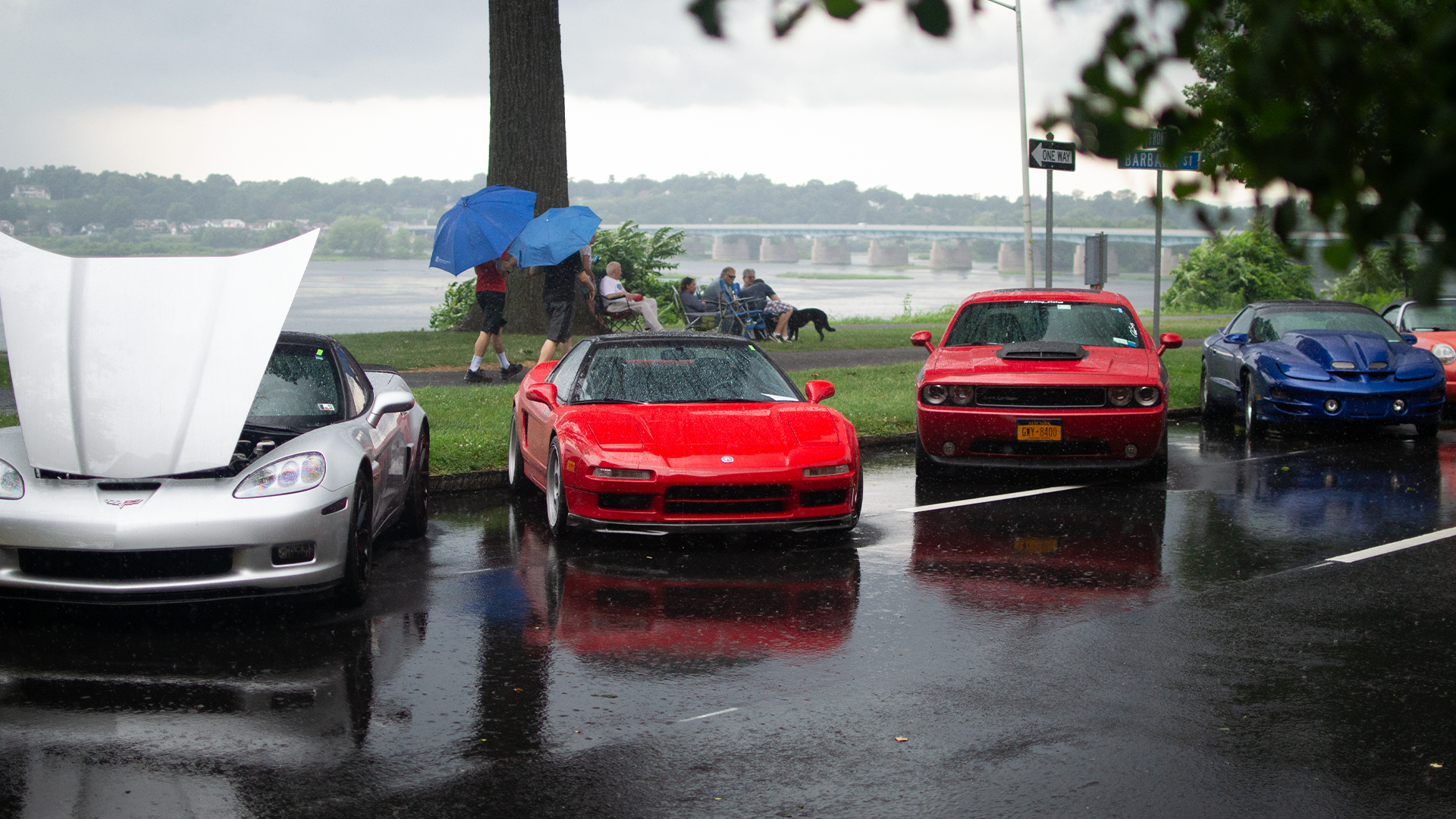
Every car show creates valuable marketing content. Professional photography, drone footage, interviews, award presentations, vendor highlights, vehicle roll ins, and attendee reactions can all be used to promote future events.
Many successful automotive events build momentum year after year by showcasing highlights from previous shows. Great content reminds attendees what they experienced and shows everyone else what they missed.
Organizers should plan content capture before event day. Assign photographers, create a shot list, identify feature vehicles, schedule award coverage, and collect social media handles when possible.
For individual vehicle owners, tools like RennScan digital vehicle profiles can help attendees explore a build’s photos, modifications, socials, and details with a quick scan at meets and shows.
Follow Up After the Event
The event is not over when the last vehicle leaves. Following up helps maintain momentum and strengthens your community.
After the show, share event photos, thank sponsors, recognize volunteers, post award winners, collect attendee feedback, and announce future dates whenever possible.
This is also the best time to start building your next event. Attendees are most excited immediately after a successful show, so use that moment to invite them to follow your page, join your mailing list, register interest, or save the next date.
Events that consistently engage attendees after show day often experience the strongest long term growth.
Why Renndvous Is the Best Platform for Car Shows
Most event platforms were built for conferences, concerts, and generic ticketed events. Car shows work differently. Organizers need vehicle registrations, spectator tickets, waivers, vendor management, sponsor visibility, QR check in, attendee updates, and community tools that actually fit automotive events.
Renndvous was built specifically for car shows, Cars and Coffee events, charity shows, dealership events, club meets, truck shows, exotic rallies, and automotive festivals. That makes it a better fit than forcing a generic event platform to handle an enthusiast event.
With Renndvous, organizers can manage registration, ticketing, waivers, QR check in, vendor applications, sponsorships, attendee communication, and event promotion from one automotive focused platform.
Less paperwork. Fewer spreadsheets. Cleaner check in. Better attendee communication. A more professional event from the first registration to the final follow up.
Ultimate Car Show Planning Checklist
Before event day, make sure your major planning items are complete.
Frequently Asked Questions
What is the best platform for car show registration?
The best platform for car show registration is one built specifically for automotive events. Renndvous gives organizers vehicle registration, ticketing, waivers, vendor applications, QR check in, attendee communication, and event promotion from one platform. If you are planning a show, you can create your event on Renndvous and start accepting registrations online.
How much does it cost to organize a car show?
Costs vary depending on venue size, insurance requirements, staffing, marketing, awards, equipment, security, and amenities. Small local events may cost a few hundred dollars, while large automotive festivals can require tens of thousands of dollars.
Do I need insurance for a car show?
Most venues and municipalities require liability insurance for public events. Requirements vary by location, so always verify local regulations and venue rules before hosting a car show.
How far in advance should I plan a car show?
Most successful car shows begin planning at least three to six months in advance. Larger events, charity shows, and automotive festivals often begin planning six to twelve months ahead.
How do car shows make money?
Car shows commonly generate revenue through vehicle registrations, spectator tickets, sponsorships, vendor fees, merchandise, raffles, donations, VIP experiences, and food vendor partnerships.
What is the best way to market a car show?
The best car show marketing strategies combine social media, email marketing, car clubs, automotive businesses, event calendars, local influencers, dealership partnerships, and consistent content leading up to the event.
How many volunteers do you need for a car show?
The number of volunteers depends on event size, venue layout, parking complexity, registration volume, and vendor setup. Smaller shows may only need a few helpers, while larger events may require dedicated teams for check in, parking, safety, vendors, awards, and attendee support.
Ready to Launch Your Car Show?
Renndvous helps automotive event organizers manage registration, ticketing, waivers, QR check in, vendor applications, sponsorships, and attendee communication from a single platform built specifically for car events.
Whether you are planning a local Cars and Coffee, a charity car show, a club event, or a large automotive festival, Renndvous gives organizers the tools to create a smoother experience from registration to event day.
Final Thoughts
Learning how to organize a car show takes planning, organization, and attention to detail. The most successful events focus on creating a great experience for participants, sponsors, vendors, and spectators alike.
By selecting the right venue, simplifying registration, securing sponsors, promoting consistently, and delivering a memorable event experience, organizers can build automotive events that continue growing year after year.
And if you want to skip the messy stack of forms, spreadsheets, payment links, waivers, and manual check in, the easiest place to start is Renndvous.